
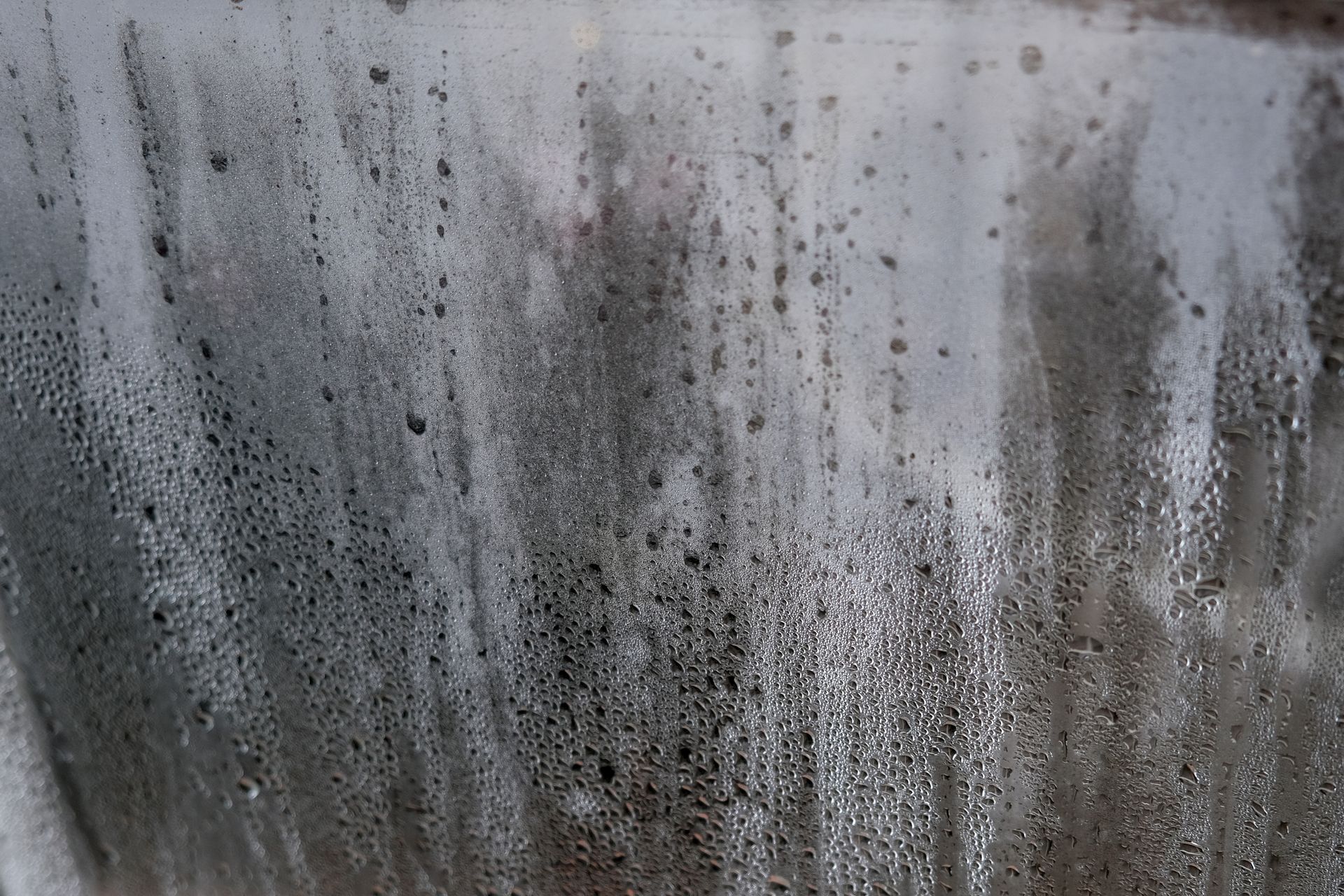
Temperatures across the Salt Lake Valley and surrounding foothills are dropping steadily into the 40s overnight. The peaks of the Wasatch and Oquirrh ranges are already catching their first dustings of snow, and homeowners throughout Utah are busily working through classic autumn chores: blowing out sprinkler lines, raking fallen leaves, and clearing out rain gutters. Yet, there is one essential pre-winter task that frequently gets pushed off until it is too late: your exterior windows. Once sub-freezing temperatures lock in for late autumn and winter, exterior window cleaning becomes a major operational challenge for homeowners without specialized equipment or freeze-resistant solutions. Worse still, leaving months of summer dust, baked-in mineral spots, and organic sludge trapped against your glass and window frames throughout winter can degrade your seals, trap moisture, and leave you staring at cloudy, depressing views when you are spending the most time indoors. Getting ahead of the hard frost in October protects your window investments, preserves your home's thermal barrier, and maximizes your natural heat and light throughout the winter months. 1. The Freeze-Thaw Trap: How Dirt Destroys Window Seals Many people view dirty window frames as a strictly cosmetic issue. However, during a Utah winter, accumulated grime transforms into a structural hazard for your window assemblies. Throughout summer and early fall, window tracks, sills, and frame corners accumulate a dense mixture of windblown dirt, dead insects, and tree debris. When late-autumn rains arrive, this debris acts like a sponge, absorbing water and holding it directly against rubber gaskets, caulking, and vinyl seams. As valley temperatures cycle above freezing during the afternoon and dip well below 32°F overnight, that trapped moisture repeatedly expands and contracts. This continuous hydraulic pressure pushes against the rubber weatherstripping and glazing beads. Over time, it creates micro-fissures in window seals, leading to broken thermal barriers (foggy double-pane glass) and costly air leaks. Pre-Freeze Action Steps: Clear Exterior Weep Holes: Look at the bottom exterior frame of your sliding or hung windows. You will find small rectangular drainage slots called "weep holes." Flush them using warm water or a small brush to dislodge compacted dirt. If these holes freeze shut with debris, trapped winter meltwater can back up into your interior sills and drywall. Inspect the Weatherstripping: Run your hand along the sash corners on a windy autumn day. If you feel air infiltration or notice cracked, hardened rubber, clean away the grit and replace compromised stripping before cold drafts drive up your winter heating bill. 2. Maximize Passive Solar Heating and Winter Daylight Winter days in Utah are noticeably short. In December and January, daylight is at an absolute premium—especially when cold-air inversions settle into the valleys, trapping stagnant air and casting a dull, diffuse haze over our neighborhoods. A neglected exterior window coated in road dust, mineral residue, and fine soot can block anywhere from 15% to 30% of available solar light. If you leave your summer insect screens installed, that light filtration jumps even higher. Pull the Screens for Winter Insect screens serve an important purpose in June and July, but by late October, flying pests are dormant. Leaving screens installed through winter creates two avoidable problems: Light & Heat Loss: Clean glass without screens acts as a passive solar collector. On crisp, sunny winter days, south- and west-facing windows welcome direct radiant heat into your living spaces, lowering the workload on your furnace. Snow Loading & Frame Warping: Wet, heavy Utah snow clings to screen mesh. As snow piles up between the screen and the exterior glass, the added weight can bend aluminum screen frames, rip mesh away from splines, and trap freezing slush directly against your window frames. Take your screens down in October, wash them thoroughly with mild soap and water, let them dry completely, and store them flat in your garage or basement until spring. 3. Safe October DIY Cleaning (Before the First Hard Freeze) If you plan to tackle your glass maintenance before the cold weather sets in, technique and timing are crucial to prevent thermal shock and streaking. Wash within the Temperature "Sweet Spot": Always schedule window cleaning when daytime outdoor temperatures sit comfortably between 50°F and 65°F. Never spray hot water onto cold glass on a freezing morning; the sudden temperature disparity can cause thermal shock and crack double-pane insulated glass units (IGUs). Swap to Soft Squeegee Rubber: Standard summer squeegee blades become stiff and brittle in cool weather, causing the rubber to jump, skip, and leave unsightly chatter marks on the pane. Switch to a softer, cold-weather rubber blade compound that conforms easily to the glass. Towel-Dry Tracks Completely: If you use water to clean out the track grooves and sills, never leave standing puddles behind. Thoroughly wipe down the vinyl and aluminum channels with dry microfiber cloths. Any water left sitting in tracks during an overnight freeze can ice up your sashes and crack delicate vinyl corner welds. 4. The Pro Clean Windows Advantage For many two-story and multi-level Utah homes, exterior window washing in cool, breezy autumn weather is a frustrating and hazardous chore. Moving ladders over damp soil, reaching over steep roof pitches, and dealing with garden hoses that stiffen in the cold often leads to compromised safety and disappointing, streaky results. At Pro Clean Windows , we eliminate the stress and risks of seasonal window prep: Deionized Pure Water Technology: Our specialized truck-mounted filtration systems strip tap water of all minerals and dissolved solids. Delivered through lightweight carbon-fiber water-fed poles, our pure water safely agitates and lifts away stubborn autumn dust, pollen, and spider residue from up to three stories high—all while our technicians remain safely on the ground. No Chemical Residue: Because we use 100% purified water without soapy detergents, your glass is left completely static-free. Without a tacky soap film to attract airborne dust, your windows stay clean far longer into the winter season. Full-Service Seasonal Detailing: We don't just rinse the glass. Our comprehensive pre-winter appointments include meticulous detailing of exterior frames, clearing of weep holes, sill wipe-downs, and careful removal and labeling of your screens for winter storage. Don't Wait for the Snow to Fly Once the ground freezes and regular winter storms roll through the Wasatch Front, your windows will be locked in their current condition until the spring thaw arrives in April. Investing in a thorough, professional window clean in October ensures your home is sealed tight, bright, and filled with warm natural light all winter long. Ready to enjoy crystal-clear views through every winter storm? Contact Pro Clean Windows today to lock in your October pre-winter window cleaning before our seasonal calendar fills up!
Notice summer haze on your glass? Professional fall window cleaning in Salt Lake City restores clarity and protects your windows before winter.
Learn how to clean window tracks and screens this summer to prevent pest buildup, keep airflow steady, and ensure your windows stay clear all season.
Protect your windows from hard water stains with expert cleaning tips and restoration services from ProClean Windows.

Protect your investment and your safety. Discover why a professional home window cleaning service is essential for preventing glass oxidation and restoring.

Instantly brighten your home with expert residential window cleaning services from ProClean Windows. Enjoy ashine & clearer view today!

Our commitment to providing exceptional expert window cleaning services extends beyond our understanding of cleaning chemistry.

Learn how Pro Clean Windows uses advanced equipment and safety protocols to maintain the exterior of skyscrapers and commercial towers.
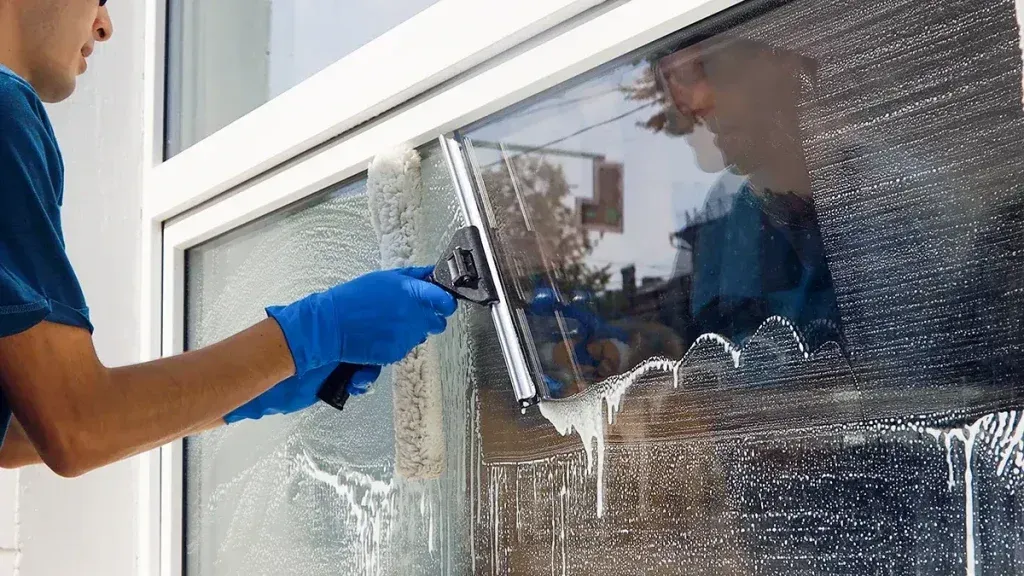
Learn advanced techniques for removing scratches, etching, and hard water stains from windows with ProClean Windows.
Investing in professional, commercial window cleaning for historic buildings offers numerous benefits. Learn more in today's blog post.