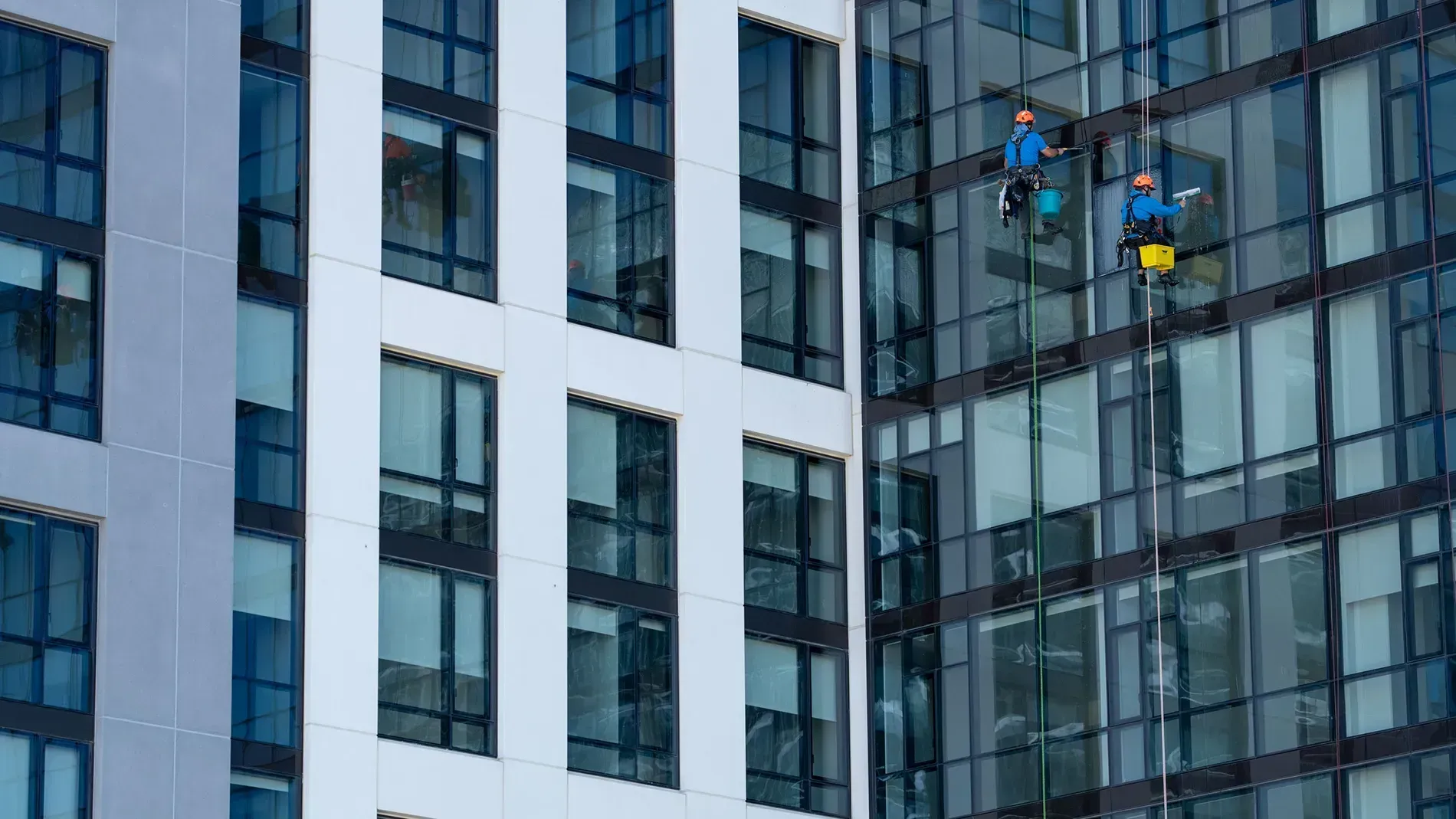
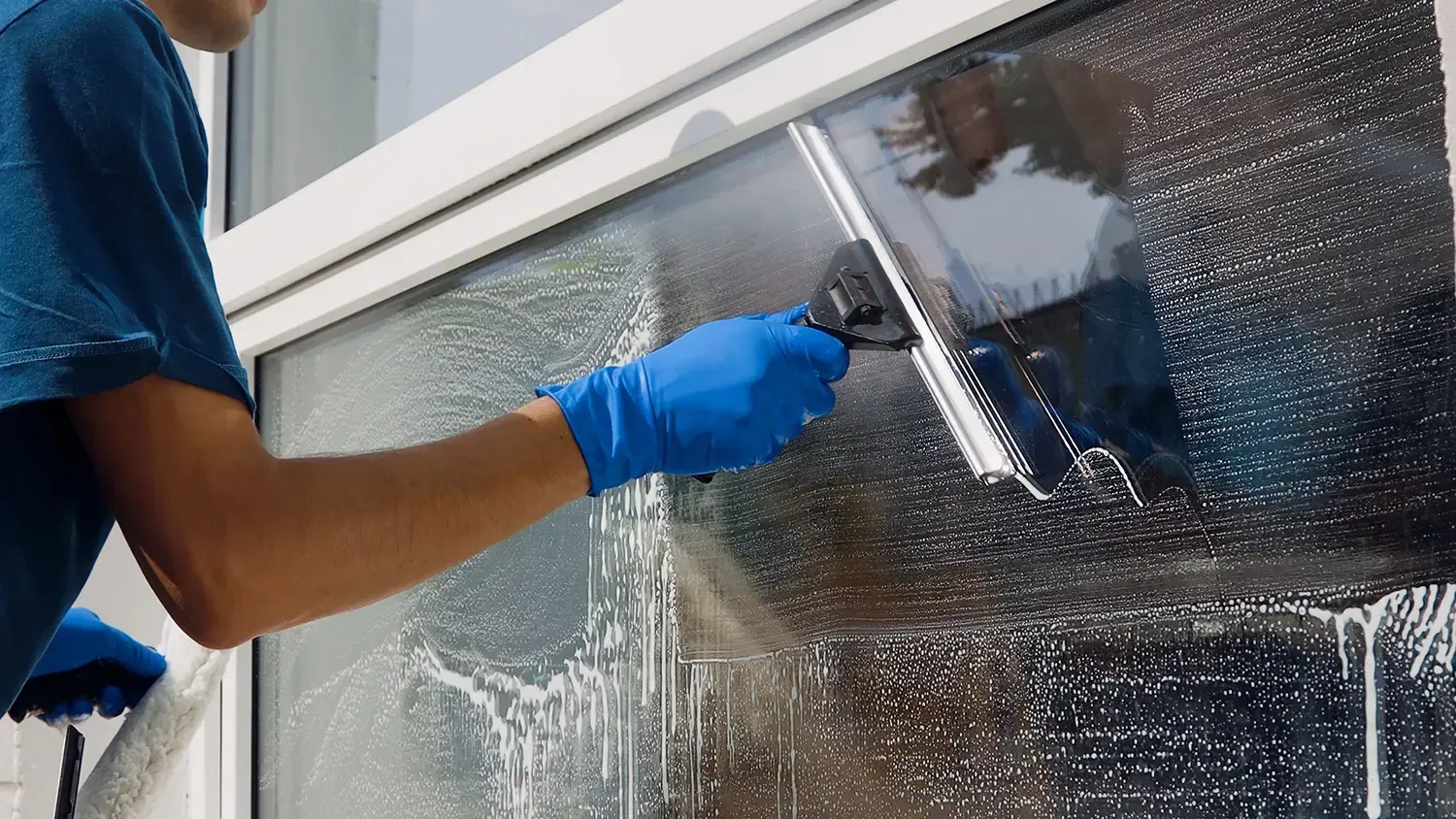
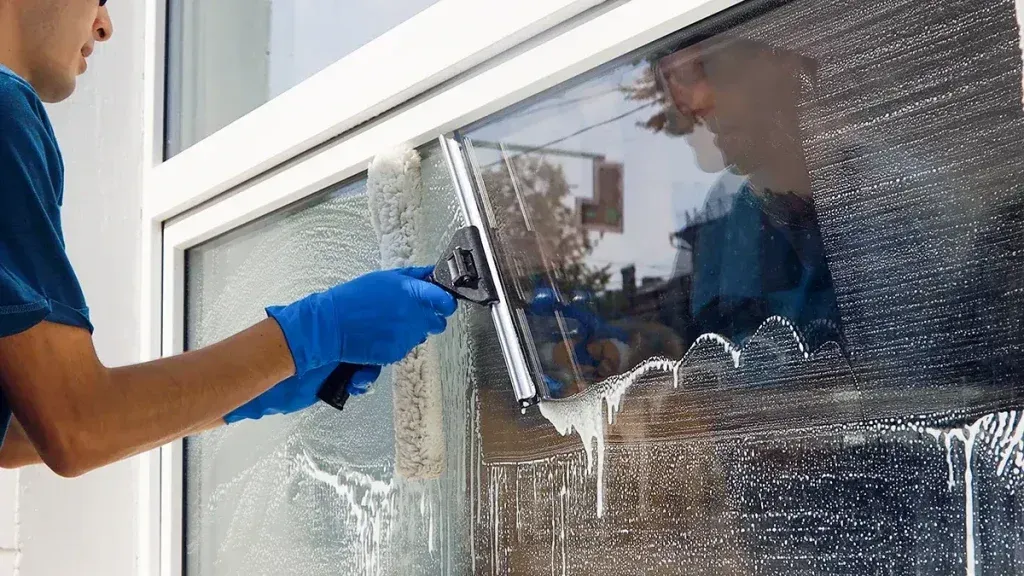
A light fixture above an atrium or a dirty glass wall behind a narrow courtyard can turn routine upkeep into an access problem.
Whether managed by facility managers, property managers, commercial building owners, or contractors, high reach maintenance tasks may be straightforward once someone reaches the work area, but getting there safely requires proper planning and execution.
Effective high access maintenance should always begin with a comprehensive review of the space, the specific tasks involved, and the necessary equipment requirements.
Asking staff to improvise with an unfamiliar lift or an unsuitable ladder creates severe safety hazards that a planned professional approach using specialized aerial lift services is designed to prevent.
Identify the Task Before Choosing Equipment
Make a list of the actual work: cleaning interior glass, reaching overhead lighting, maintaining signage, cleaning an awning, or accessing a chandelier or high fan.
The nature of the task affects how long the work takes, what specialized aerial lift services or tools are needed, and which safety qualifications apply. Electrical repairs, structural work, and high-level window cleaning do not automatically belong to the same scope or skill set.
Document locations and access constraints from a safe position. Photographs can support an initial discussion, but a site assessment may still be necessary.
Look at the Entire Route
A high ceiling is only one part of the problem. Doorways, turns, slopes, thresholds, landscaping, and overhead obstructions can limit how equipment reaches the work area.
Narrow courtyards and tight exterior setbacks may leave little room for a conventional lift or bucket truck. Indoors, finding a suitable indoor aerial lift to cross finished flooring or pass through an occupied lobby presents unique structural and spatial challenges.
Measure access points with the provider and confirm the equipment’s actual requirements. Do not assume that every compact lift fits through a standard door.
Consider Compact Articulated Equipment for Hard to Reach Maintenance
For hard to reach maintenance, a compact articulated lift can maneuver into tight spaces where larger machinery is impractical. Its flexible articulation helps operators reach over obstacles, access awkward angles, and work safely in highly constrained areas.
Suitability still depends on the equipment, reach required, setup area, supporting surface, and site restrictions. A small machine is not automatically appropriate for a delicate floor or confined space. Scaffolding, ladders, rope access, and other lifts each have situations where they may be useful. The right choice follows an assessment rather than a preference for one method.
Protect Floors and Supporting Surfaces
Finished floors need more than protection from visible tire marks. The provider must consider loading, setup requirements, and the supporting structure.
A lift may need a surface assessment and an appropriate protection plan before entering. Floor coverings alone do not establish that a surface can support the equipment. Outdoors, soil, pavement condition, slopes, and hidden features may also affect setup. Share known site information and ask what further evaluation is required.
Use a Qualified Operated Service
Utilizing commercial aerial lift services with fully operated options places equipment operation in the hands of trained professionals rather than expecting facility staff to master unfamiliar equipment for one-off tasks. Ask the provider to explain the operator’s relevant training and certification for the equipment and work. Confirm who handles setup, operation, supervision, and the actual maintenance task.
The access operator and the trade specialist may have different responsibilities. For example, reaching a high fixture does not by itself authorize electrical work.
ProClean’s
specialty lift services provide a reliable starting point for addressing elevated access and hard to reach maintenance in tight or complicated commercial spaces. Be sure to confirm the operated scope and any task-specific requirements during your initial inquiry.
Plan for Occupants and Daily Operations
Maintenance in a lobby, atrium, or storefront needs coordination with the people using the space. Discuss work zones, pedestrian routing, equipment movement, and scheduling. Some tasks may be easier outside busy hours. Others may require temporary restrictions, a phased approach, or coordination with other contractors.
Confirm how the work area will be controlled and what the facility team must do before arrival. An organized access plan helps reduce avoidable disruption.
Know When a Different Method Is Better
A specialty lift is not always preferable to scaffolding or another approach. Work duration, required reach, access limits, and supporting conditions can change the decision. Ask why the proposed method fits the task and what constraints remain.
A realistic plan should acknowledge areas that cannot be reached or work outside the provider’s scope.
Keep a record of the access solution for future maintenance, while allowing for changes to the building or equipment.
Discuss the Access Problem Before Scheduling the Work
Contact ProClean Windows with your maintenance goals and access challenges. A site-specific plan can help determine whether specialty lift services or another professional method is appropriate.
Frequently Asked Questions
How can businesses reach high interior spaces safely?
Use a professional assessment to select suitable equipment, qualified personnel, and work-area controls.
Can lifts be used on finished floors?
Sometimes, after loading, surface condition, and protection requirements are evaluated. Do not assume floor covering alone makes use suitable.
What jobs can compact lifts support?
They support high reach maintenance across indoor aerial lift setups and exterior projects, providing elevated access for window cleaning, lighting updates, signage care, and awning repairs.
Can specialty lifts fit through standard doors?
Some may, but actual equipment dimensions and the complete access route must be checked.
Is an operator provided?
Confirm the operated-service arrangement, qualifications, and responsibilities with ProClean before booking.
When is a lift better than scaffolding?
It depends on reach, space, duration, floor or ground conditions, and the work required.